

Cycling is a great way to improve your health, discover new places, and simply enjoy yourself. However, if you have just started, everything may feel a bit challenging. Don’t worry!
These 10 tips will help you ride comfortably, confidently, and safely:
1. Choose the Right Bicycle
Bicycles differ in specifications, and choosing the right one is very important:
- Road bike – lightweight and fast, perfect for long distances and riding on asphalt.
- Mountain bike – designed for dirt roads, rocky and uneven terrain.
- Hybrid bike – ideal for city riding and intercity travel on well-maintained roads.
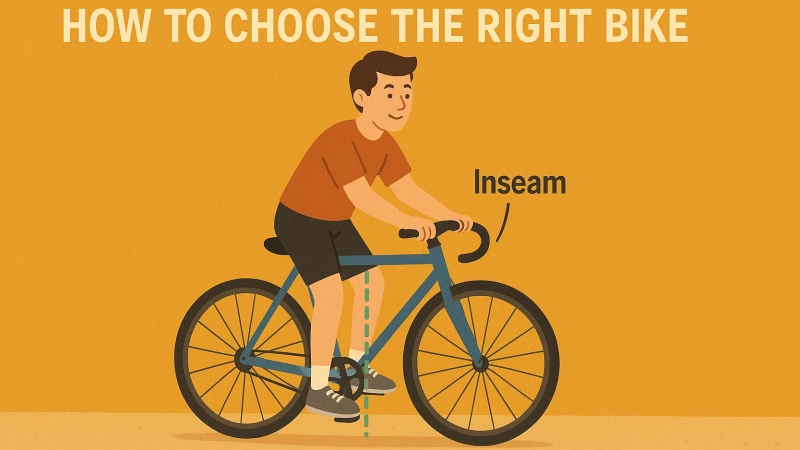
Most importantly, the bicycle must fit your size. A bike that is not the correct size will cause discomfort and pain. It is best to ask a professional in a bike shop to help you with fitting.
2. Proper Equipment Ensures Comfort and Safety
The right equipment is important:
- Helmet: the most important safety accessory.
- Cycling shorts: padded shorts increase comfort during long rides.
- Gloves and glasses: protect your hands in case of a fall and your eyes from dust and sunlight.
- Bright or reflective clothing: helps you be more visible to other road users, especially in the evening.
- Front light and rear blinking light: increase your visibility and make you more noticeable.
You do not need professional equipment at the beginning, but a few essential items will significantly improve your comfort.
3. Learn Basic Bike Maintenance
A well-maintained bicycle is safer and more comfortable to ride:
- Check tire pressure – low pressure increases rolling resistance and requires more energy.
- Lubricate the chain – a clean and lubricated chain prevents rust and unpleasant noise while riding.
- Learn how to remove/install a tire – if you get a flat on the road, this knowledge will help you.
Before every ride:
- Check the brakes.
- Check the handlebar (it should not be loose).
4. Start Slowly and Build Endurance
If you are new to cycling, do not try to cover long distances immediately.
- Start with short and easy rides – even 15–20 minutes is a good beginning.
- Gradually increase your time and distance when you feel ready.
- Find a comfortable pace – speed is not necessary at the beginning.
Cycling should be enjoyable.
5. Follow Traffic Rules
- Ride in the direction of traffic – never ride against traffic.
- Use hand signals – drivers and other cyclists need to know if you are about to turn.
- Stay alert – do not use headphones while riding.
- Avoid car doors – especially in the city, drivers or passengers may open doors without looking. Always keep a safe distance.
Preparation and caution are guarantees of safety.
6. Stay Hydrated and Choose Proper Nutrition
Cycling requires energy, so hydration and proper nutrition are important.
- Drink water regularly.
- For long rides, bring light snacks such as bananas, nuts, or energy bars.
- Avoid heavy meals before riding.
7. Gear Shifting and Proper Body Position
Proper position and correct use of gears significantly reduce fatigue.
- Keep your chest and shoulders relaxed, elbows slightly bent.
- Shift gears in advance before climbs to avoid overloading your legs.
- Correct saddle position – your knee should almost fully extend at the bottom of the pedal stroke.
8. Join a Cycling Community
- Riding with experienced cyclists will help you develop new skills.
- You will meet new people and discover new routes.
- You will enjoy group riding, where you feel less stressed and can simply follow others without constantly checking the route.
9. Track Your Progress and Set Goals
Record your activities and monitor your achievements – this helps maintain motivation.
10. Enjoy the Process
Cycling is not only about speed and distance – it is about enjoyment.
- Discover new routes in nature.
- Ride at your own pace, do not compete with others.
- Enjoy the freedom and new experiences.
Never forget the main thing – cycling should be fun and enjoyable!
Comments (0)
No comments yet.