
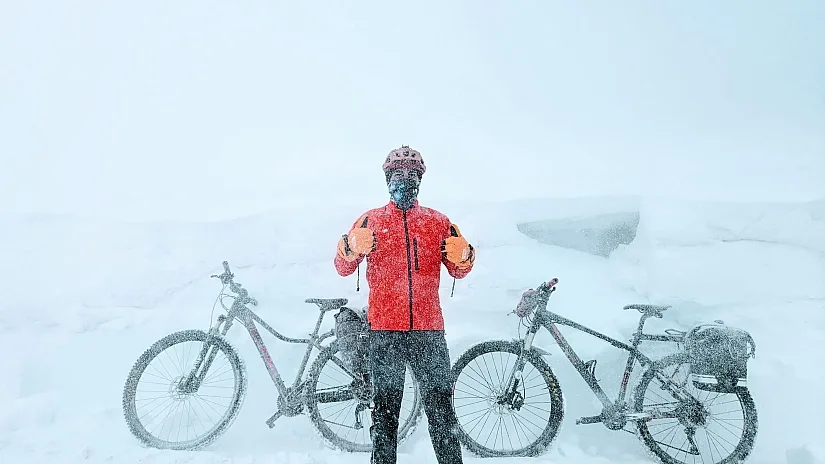
How to Dress for Winter Cycling – A Practical Guide
Winter cycling can be challenging for many riders, but with the right clothing, cold weather is no longer a problem.
In this guide, we explain what to wear when cycling in winter conditions between 0–10°C, how the layering system works, and how to protect yourself from cold temperatures and wind.
Why Proper Clothing Matters When Cycling in Winter
Winter in Tbilisi and Eastern Georgia is often relatively mild, but wind and humidity can make the air feel much colder than the actual temperature. For example, +5°C with strong wind can feel like 0°C or even lower.
Layering – The Best Strategy for Cold Weather
A single thick jacket does not work well. The best strategy is layering:
- Base layer – absorbs sweat and keeps the body dry
- Mid layer – retains body heat
- Outer layer – protects against wind and rain
The layering system allows you to quickly adapt to temperature changes.
Base Layer
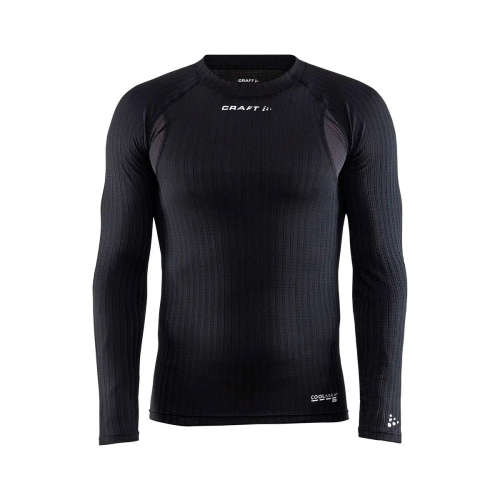
The base layer should fit snugly against the body and be made of synthetic fabric or merino wool.
- Synthetic fabrics – dry quickly and are practical.
- Merino wool – warm, comfortable, and odor-resistant.
Why Cotton Is Not Recommended
Cotton absorbs sweat and dries slowly, which cools the body quickly. That is why cotton should be avoided in winter cycling clothing.
Mid Layer
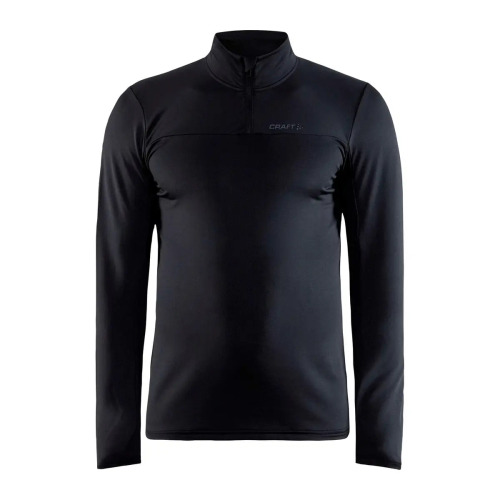
- Thermal cycling jersey
- Lightweight fleece
- Breathable but insulating fabric
Outer Layer
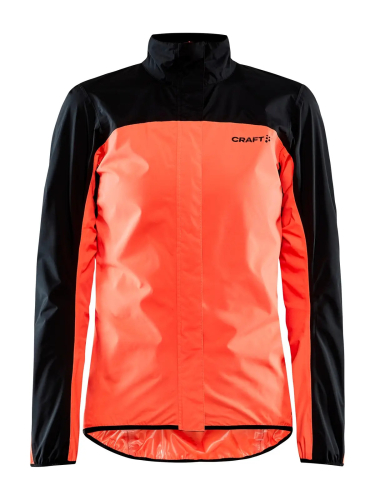
The outer layer should be windproof, especially around the chest and shoulders.
Softshell vs Hardshell
- Softshell – more breathable and ideal for everyday rides.
- Hardshell – better rain protection.
Lower Body – Thermal Bib Tights
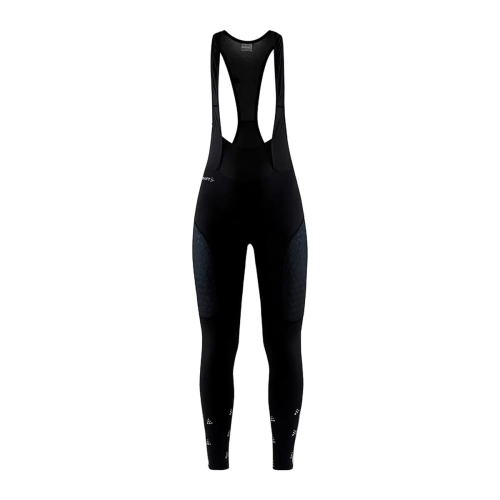
Thermal bib tights are a nearly universal solution for the 0–10°C temperature range.
Socks and Overshoes
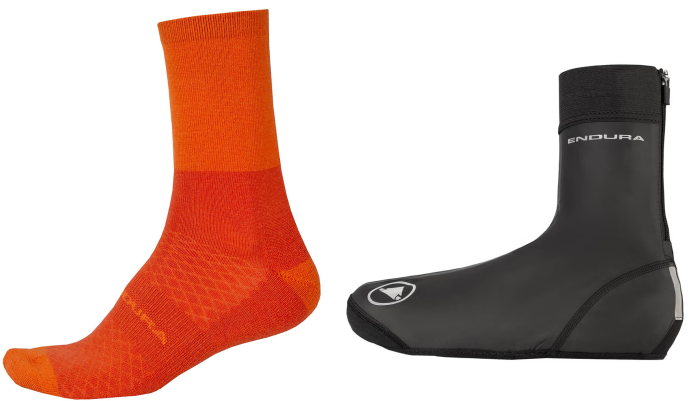
Merino socks retain warmth and manage moisture effectively.
Neoprene Overshoes
Overshoes protect your cycling shoes from wind and moisture, keeping your feet warmer.
Gloves
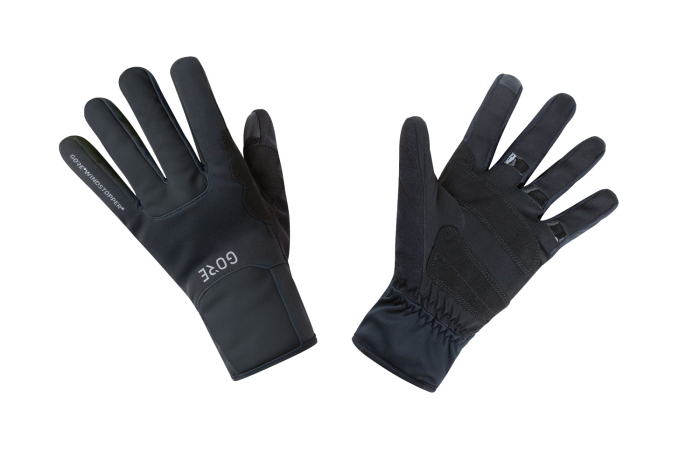
- Windproof
- Warm but not bulky
- Maintain full brake control
Head and Neck Protection
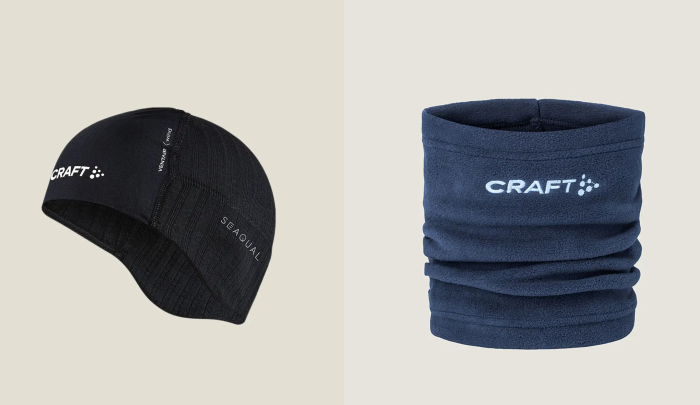
- Skull cap under the helmet
- Buff / neck warmer
Glasses
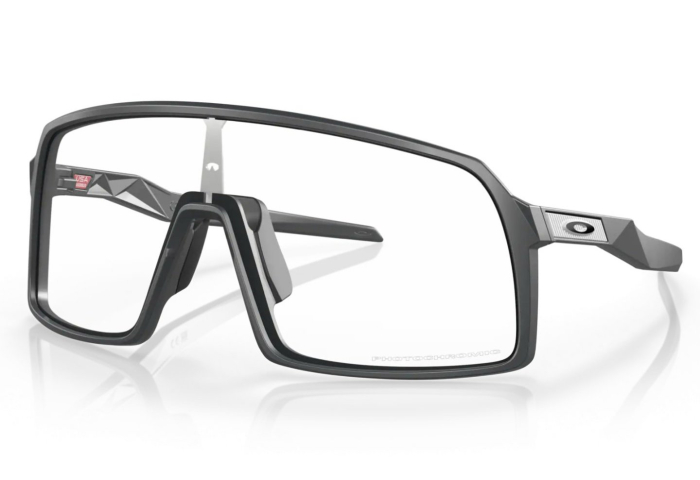
Clear or amber lenses are the best choice for winter conditions.
Winter Safety – Lights and Reflective Elements
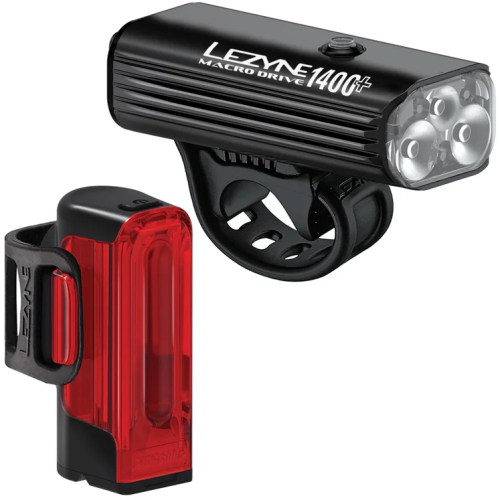
- Front light
- Rear red flashing light
- Reflective elements
Quick Checklist – What to Wear at 0–10°C
- Thermal base layer (no cotton)
- Thermal jersey or fleece
- Windproof jacket
- Thermal tights
- Merino socks
- Winter gloves
- Skull cap + Buff
- Clear or amber lens glasses
- Front and rear lights
Layering and properly selected gear guarantee comfort and safety during winter cycling.

Comments (0)
No comments yet.