
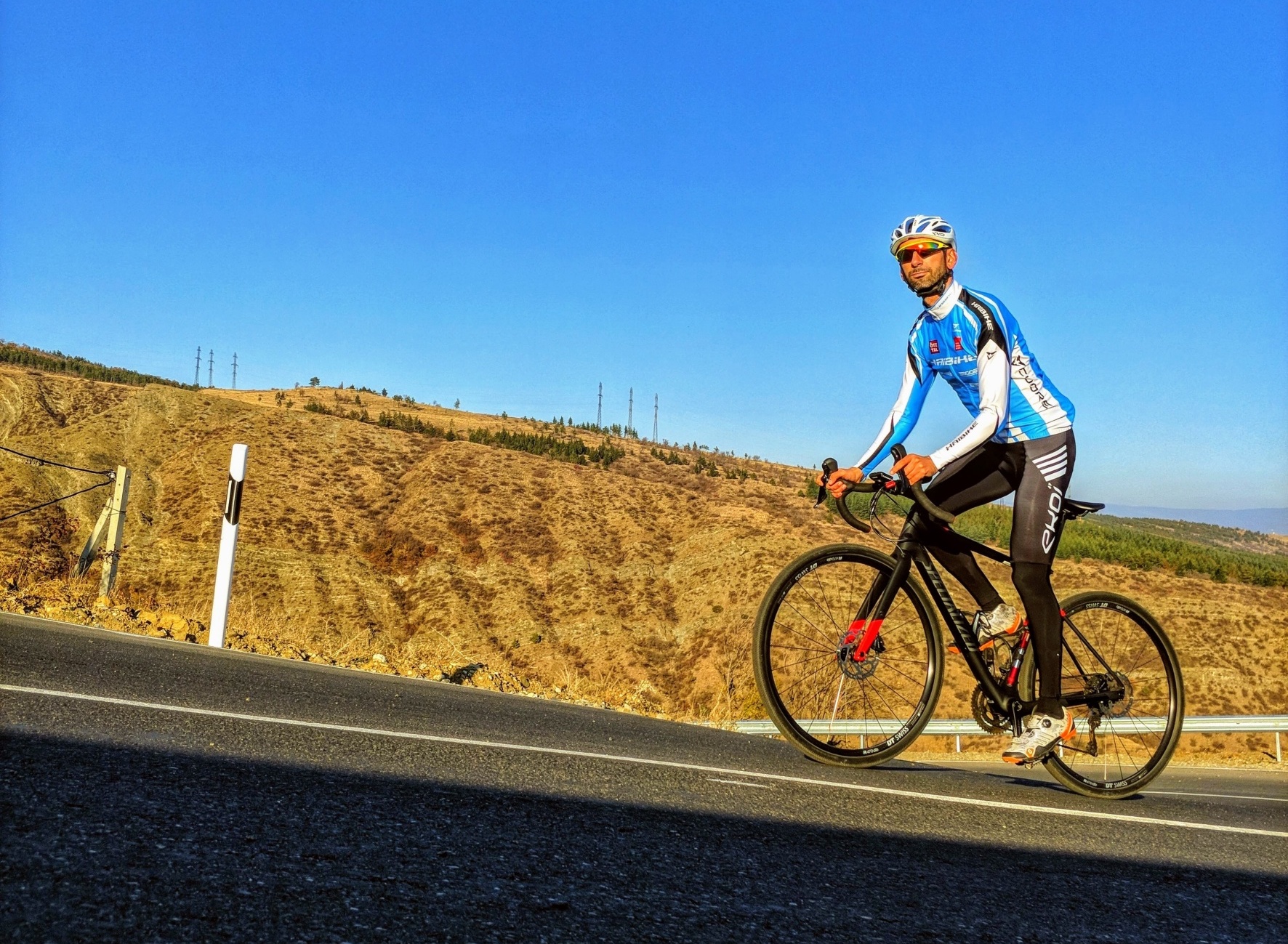
How to Make Climbing Uphills Easier?
Climbing efficiently depends on three main aspects:
- Your body
- Your bike
- Your pacing
1. Your Body – Endurance Over Strength
Long climbs require aerobic endurance rather than pure muscular strength. High intensity can only be sustained briefly. For sustained climbing, well-developed aerobic muscle fibers and cardiovascular capacity are essential.
Train with longer, lower-intensity rides. Save energy at the beginning of the climb and gradually increase the pace without burning out.
2. Your Bike – Proper Setup
Cadence & Gearing
Choose gears that allow you to maintain a cadence of 80–90 RPM. If that’s difficult, consider installing a larger cassette.
Body Position
- Relax your hands and shoulders
- Keep weight centered over the pedals
- Avoid excessive pressure on the handlebars
- Apply power smoothly in a circular pedal motion
Standing briefly during long climbs helps redistribute muscle load.
Technical Factors
- Clean drivetrain
- Proper tire pressure
- Low rolling resistance tires
Check tire comparisons here: bicyclerollingresistance.com
3. Pacing – Energy Management
One of the most common mistakes is starting too fast. This leads to early fatigue and slowing down near the top.
Monitor:
- Heart rate
- Cadence
- Power output
- Gear selection
Common Mistakes
- Saddle set too high
- Tension in arms and shoulders
- Leaning heavily on handlebars
- Insufficient hydration
- Eating immediately before climbing
Mental Approach
Negative thinking makes climbing harder. A positive mindset energizes both body and muscles. Mental control is often as important as physical fitness.
Good luck on your climbs!
Comments (0)
No comments yet.